

It feels like a stupid question – and it was, until someone actually did it. Indeed, you would roll your eyes and shake your head at the idea. Completely ludicrous. Then Elon Musk decided he wanted to own X. Can he just do that?
Perspective
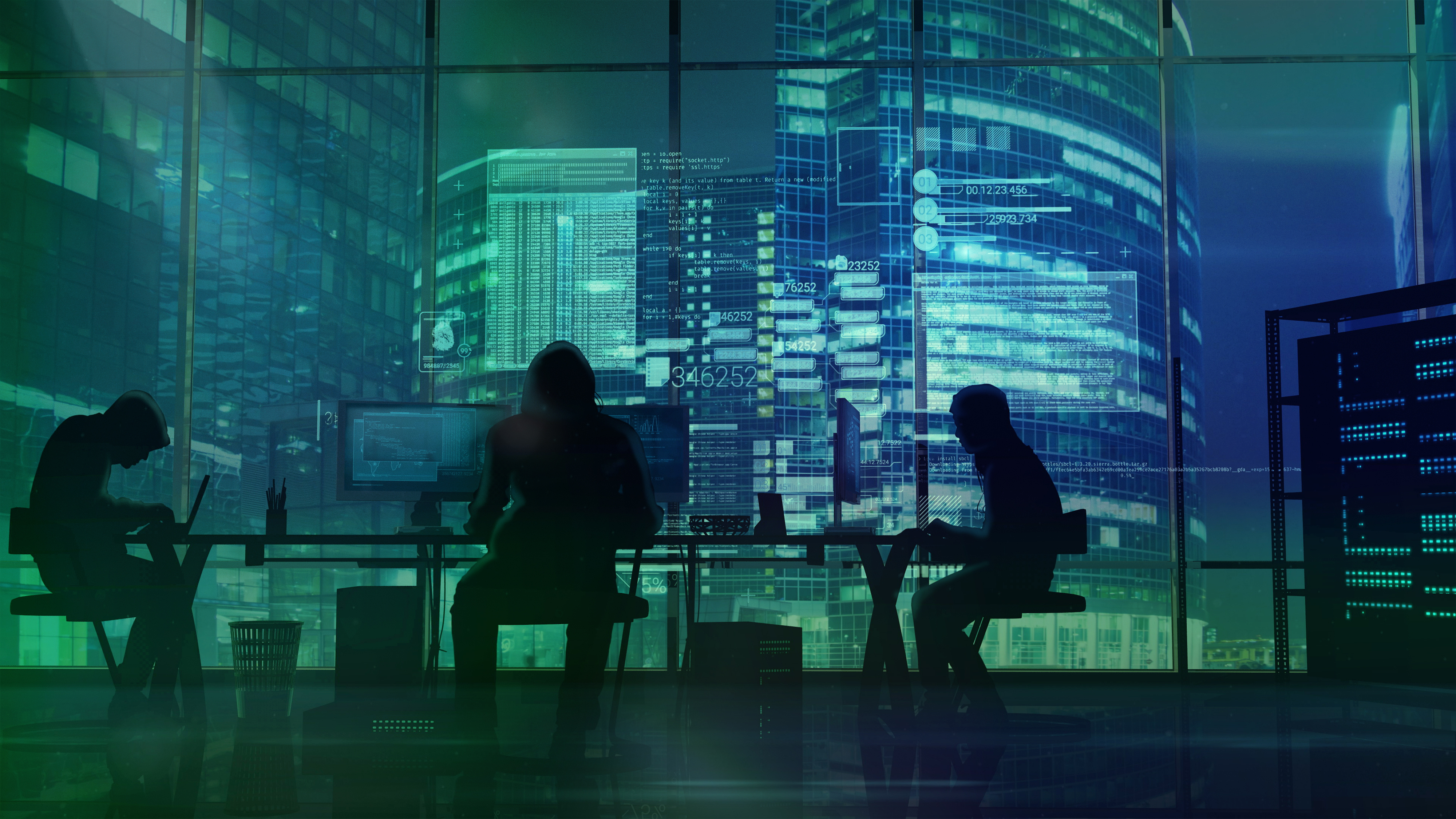
Our digital world is software, created and built by software engineers. If the software stops, the world stops. That’s software power. Can they take it down – or abuse it? Of course. It happens all the time … and it’s getting worse.
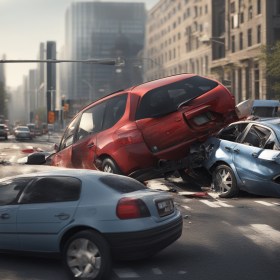
An ‘inconvenient truth‘ is when reality doesn’t match our preferences. We feel like ignoring it and just move on. Which seems to have become the rule rather than the exception lately – not the least in business. At times we even turn off the news because it’s all bad and…

It’s weird. You’ve been learning new stuff all your life. And changed accordingly – maybe ‘evolved’ is a better term. As adults most of us have embraced learning, even occasionally bragged about it – as in ‘lifelong learning, that’s me’ etc. Then – suddenly, it’s bad. “Reeducation? No thank you – I’m good.” Why?

Ok, so AI will not give you more time (see part I). And AI can be this huge threat to mankind etc. – according to an increasing collection of experts. Sounds serious, but it’s still kind of distant, isn’t it? So let’s bring it closer to home: Is AI a real…

Want to get back to normal? Be ‘normal’? Don’t. It’s dangerous. It’s about to become lethal.

Is that what you want? Actually, what you want may not matter, you’ll get it anyway. It may come as a surprise, but AI has been predicting the future for a long time – and very successfully. To the extent that we’ve been totally addicted for ages. Oh, we haven’t…

After decennia of refusing to accept, even see reality, it has become undeniable. The world is falling apart. And instead of rushing to fix it, we’re looking for someone or something to blame. It didn’t take long, it’s here – in our midst, ubiquitous. The Internet.
The ‘forgetting curve’ is familiar to most of us. Occasionally a blessing, most of the time the opposite – like in the case at hand: Privacy died many years ago, but most of the world forgot. We’re pretending it’s alive if not well, and spend enormous resources trying to change that – to make it well, make it work. Maybe a short trip down memory lane can get us back on track?

Zero trust is an interesting concept. ‘Don’t trust anyone – ever’ seems so simple and so enticing now that the world is falling apart because we decided to trust the untrustworthy. We created huge vulnerabilities, now they’re haunting us. Can zero trust work outside the narrow technical settings in which it has already proven itself?